
A practical planning guide
How to plan useful construction progress photos
A construction update should help you answer a question: what changed, what is behind schedule, or what needs checking before the next trade arrives? A repeat photography plan gives owners and project teams a dated record to work from. The most useful schedule follows the work and the decisions people need to make.
Based in Panama City Beach · Bay, Walton, Okaloosa & Gulf counties
Overview
Start with the people who will use the photos
An owner may need to understand why the builder reports a milestone as complete. A project manager may need an overview for a weekly meeting. A homeowner living out of town may want a particular concern photographed before it is covered up. Tell us who will review the images and what they need to check.
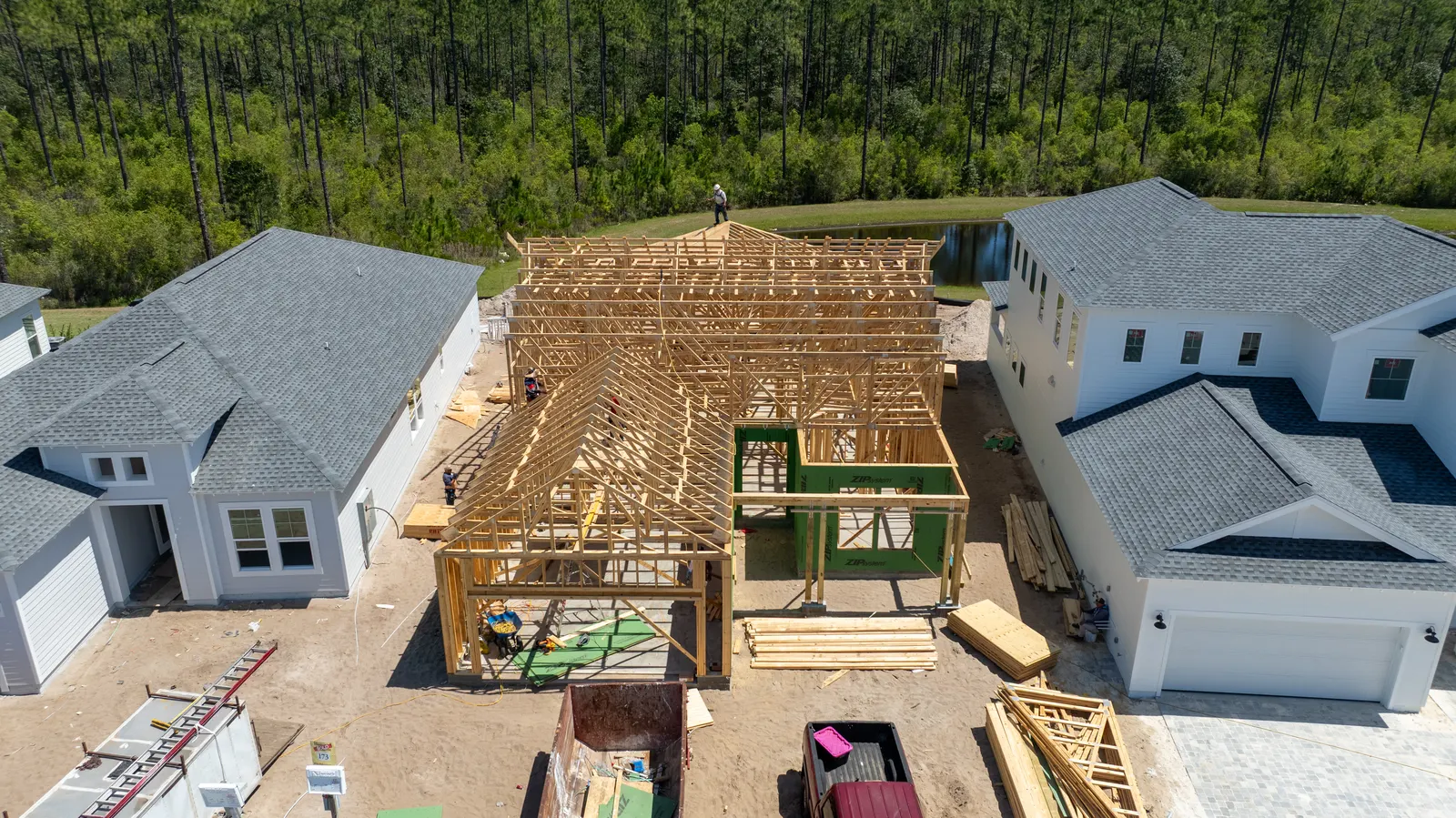
Make a short list of priority areas, such as the building exterior, roof framing, material staging or site access. If you want a specific concern documented, describe its location clearly. An overview can help someone find the area, while a closer view can give them a better starting point for a conversation with the builder.
Time visits around work you do not want to miss
Weekly or monthly updates suit some projects. Others benefit more from visits around milestones, such as foundation preparation, framing or exterior completion. A regular schedule can keep updates predictable, while an additional milestone visit may capture a stage that will soon be covered.
Agree who will tell us when the site is ready and who will pass along changes. Concrete, roofing and wall finishes can conceal earlier work, so a visit after that stage has moved on cannot recreate the missing record. For a remote home build, the builder’s current schedule may be more useful than a fixed date chosen weeks earlier.
Leave room for weather, construction delays and changing access. If little has changed, discuss whether moving the visit would produce a more useful update.
Keep a few views consistent across visits
Start with an overall site view and a small set of views covering the areas you expect to compare. Name those views in a way the team recognizes, such as “Building A, road side” or “north staging area.” Mark them on a site plan or reference image if the project has several buildings. At the next visit, keep those familiar references and add photographs of new activity.
The same position may not always remain practical as buildings grow, equipment moves or access changes. Aim for recognizable comparisons rather than identical views at any cost. Tell us which views matter most so we can keep them useful as the site develops.
Add ground-based coverage where aerial views stop helping
Aerial photography is useful for the exterior and the wider site. If the questions concern accessible rooms or visible framing inside the building, consider a separate ground-based 360 walkthrough. It can provide room context before later finishes conceal the work.
For a large site where the team needs a connected overhead reference, drone mapping may be worth discussing. These are additions for particular needs, not requirements for every progress visit.
Ground-based 360 construction walkthroughs Drone mapping and 3D modelsKeep the record easy to find and compare
Agree how images should be grouped and labeled before visits begin. One folder per capture date, with consistent building or area names inside it, is a practical starting point. For a meeting, place the same area from two visits side by side and show both dates. Keep those selections linked to the full dated sets so someone can find the surrounding views if a question comes up.
A different angle, shadow or obstruction can make a change harder to judge. If a feature is unclear, note its location and ask the site contact about it rather than treating the photograph as proof that work is missing or complete. Use that question to identify what the next visit needs to show.
What to send before the first visit
Send the site address, current construction stage and site contact. Include the areas you want photographed, when important work will be visible and whether you want a single milestone visit or recurring progress updates. Tell us about access arrangements and the people who will use the photos.
Construction progress photography services Updates for an out-of-town home buildGood to know
Common questions
Do progress photos replace a construction inspection?
No. Photos document visible conditions on the capture date and help you raise specific questions. They do not establish whether work meets plans, code or quality requirements. A builder or appropriately qualified inspector should address those questions.
Should I choose scheduled visits or milestone coverage?
Choose scheduled visits when regular updates are the main need. Choose milestone coverage when a particular stage matters more than a calendar date. Some projects benefit from a combination, with the site contact keeping us informed as the work changes.
Your next step
Make the next update useful
Tell us what is being built, which stage you want recorded and who can coordinate site access. We can discuss coverage that fits the progress of the work.
Plan construction coverageMore drone services
Explore more services.
Construction
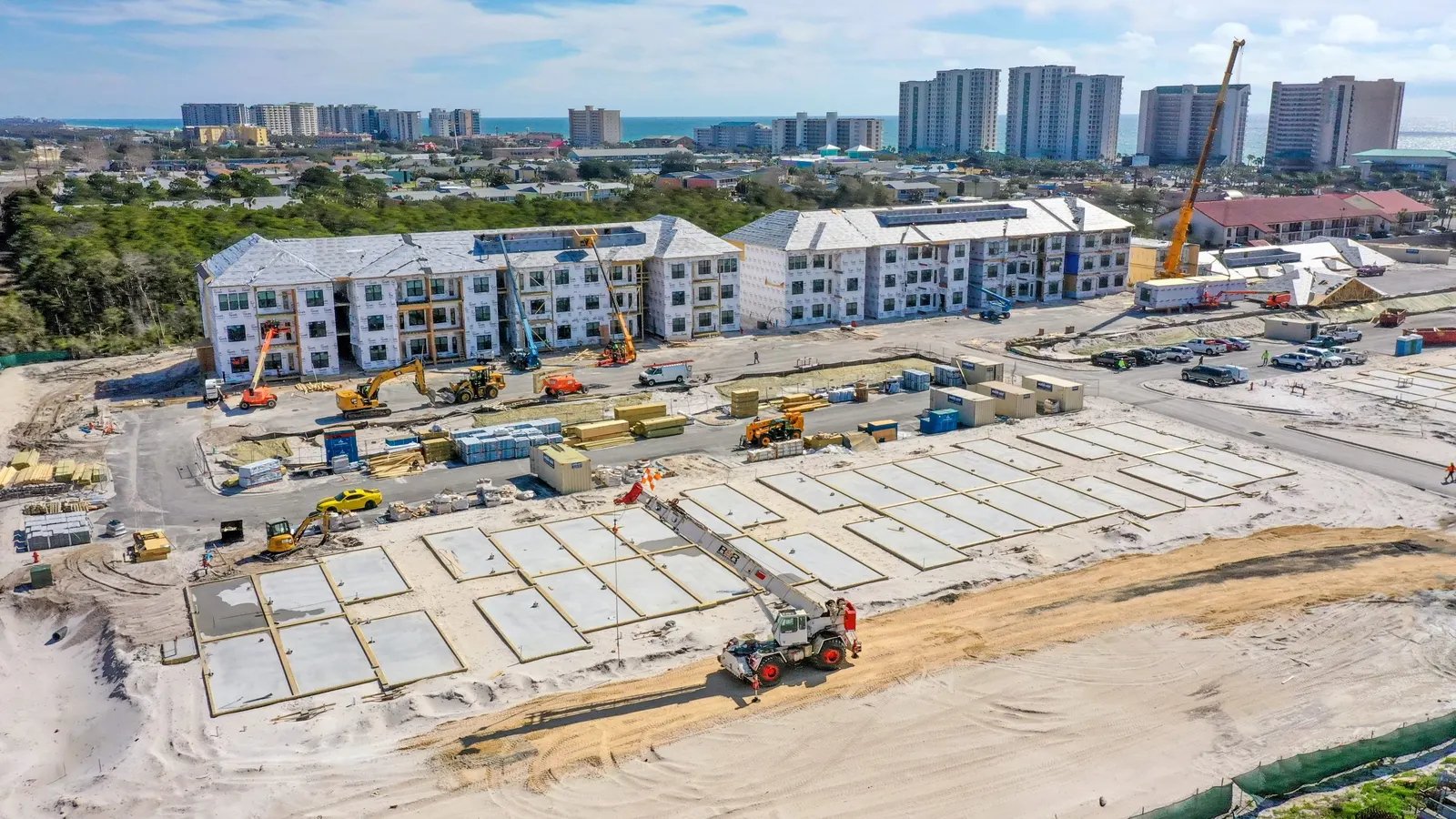
Construction Progress & Drone Photography
Keep owners and project teams informed with dated site photographs, repeat views, and milestone updates.
Explore serviceConstruction
Out-of-Town Home Build Monitoring
See dated photos of your home build and discuss progress or concerns with your builder when you cannot visit.
Explore service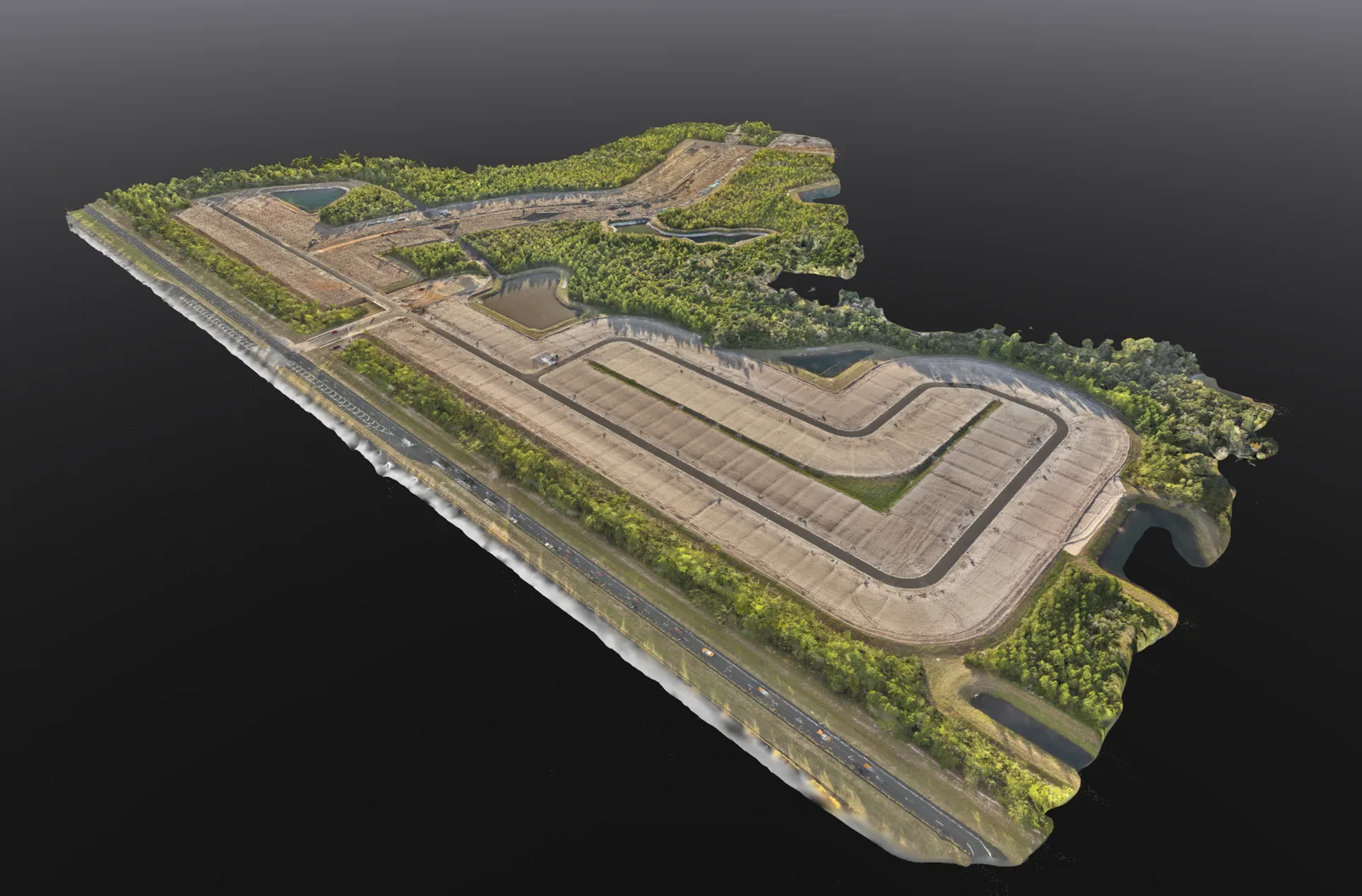
Mapping
Drone Mapping & 3D Models
Overhead site maps, 3D models and stockpile volume estimates to help you review and document your property.
Explore service